Six years working the gate at O'Hare, and the same scene played out every morning: a traveler dragging a case with a wobbling handle and a wheel that had flat-spotted somewhere over Denver, arguing with an agent about whether it counted as a carry-on. It didn't. The bag measured 23 inches of optimism against 21 inches of regulation, and the sizer is not a suggestion. That is why this comparison exists. Budget hardside carry-on luggage has gotten genuinely decent in the last few years, but the cheap end of the market is also where the marketing gets loudest, and where a number on a listing means nothing until the case meets the bin.
Related: Carry-On Size Limits by Airline: What Actually Fits
The short answer: for most people flying the majors, the 20 inch OLIXIS is the safer buy, because 20 inches clears more sizers than 21 and the ABS shell keeps the empty weight down. The Amazon Basics 21 inch is the better call if you pack soft goods and want the extra expansion room. The connector straps and the melamine sponge are the two cheap extras that extend the life of whichever case you choose.
I have not put a full five-flight rotation on these exact cases, and I am not going to pretend I have. What I can do is the thing I did at the counter: read the spec sheet the way a gate agent reads a bag, tell you where each one is likely to fail first, and point you at the cheap accessories that solve the problems the listings never mention.
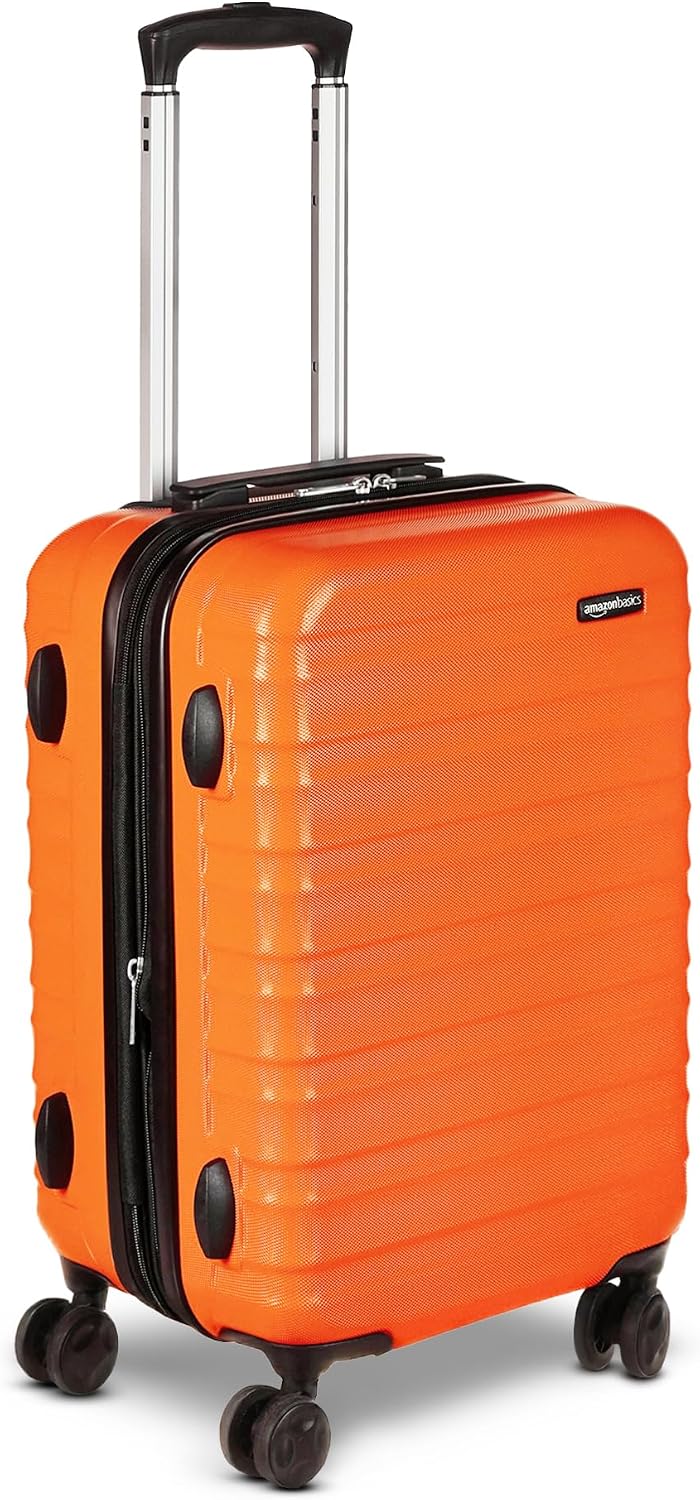
Amazon Basics 21" Hardside Carry-On, Orange
The value benchmark in the 21 inch class: spinner wheels, a scratch-resistant shell, a telescoping handle, and expansion the maker rates at up to 25 percent more space
Expansion is a second zipper waiting to fail, and an expanded 21 inch case stops being a 21 inch case at the sizer; no exterior pocket for a jacket or a laptop sleeve
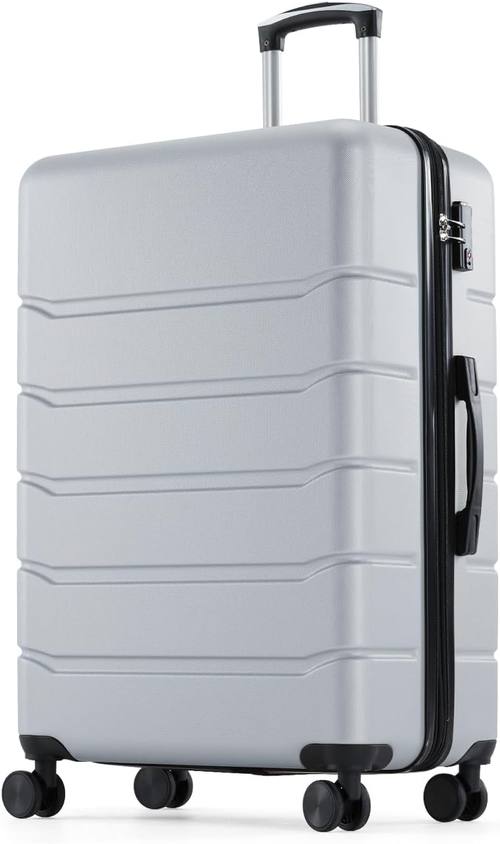
OLIXIS 20 Inch Carry-On, Light Grey
The size-discipline pick: 20 inches is the class that clears the most sizers, ABS keeps it light, and the TSA approved lock is built in
ABS is the entry-level shell material, so it flexes and can crack in deep cold; a built-in lock is one more part you cannot repair yourself
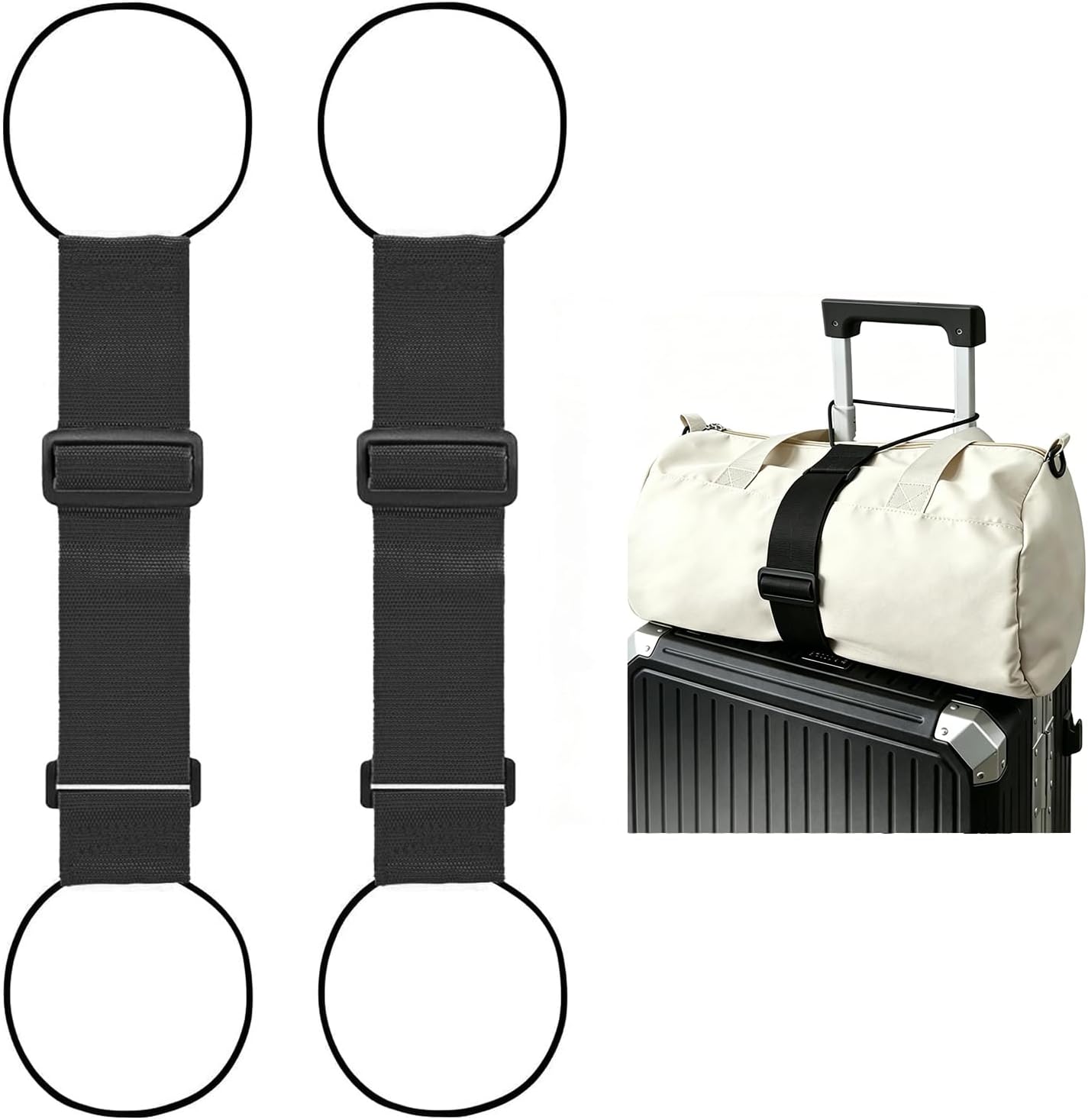
2 Pack Adjustable Luggage Connector Straps
Turns two bags into one unit you pull with one hand, which is exactly what you want after a gate check; adjustable, and the two pack covers a second traveler
Buckles are the weak point and the whole product; adds fiddle time on the jet bridge, and it does nothing if the airline tags your bags separately
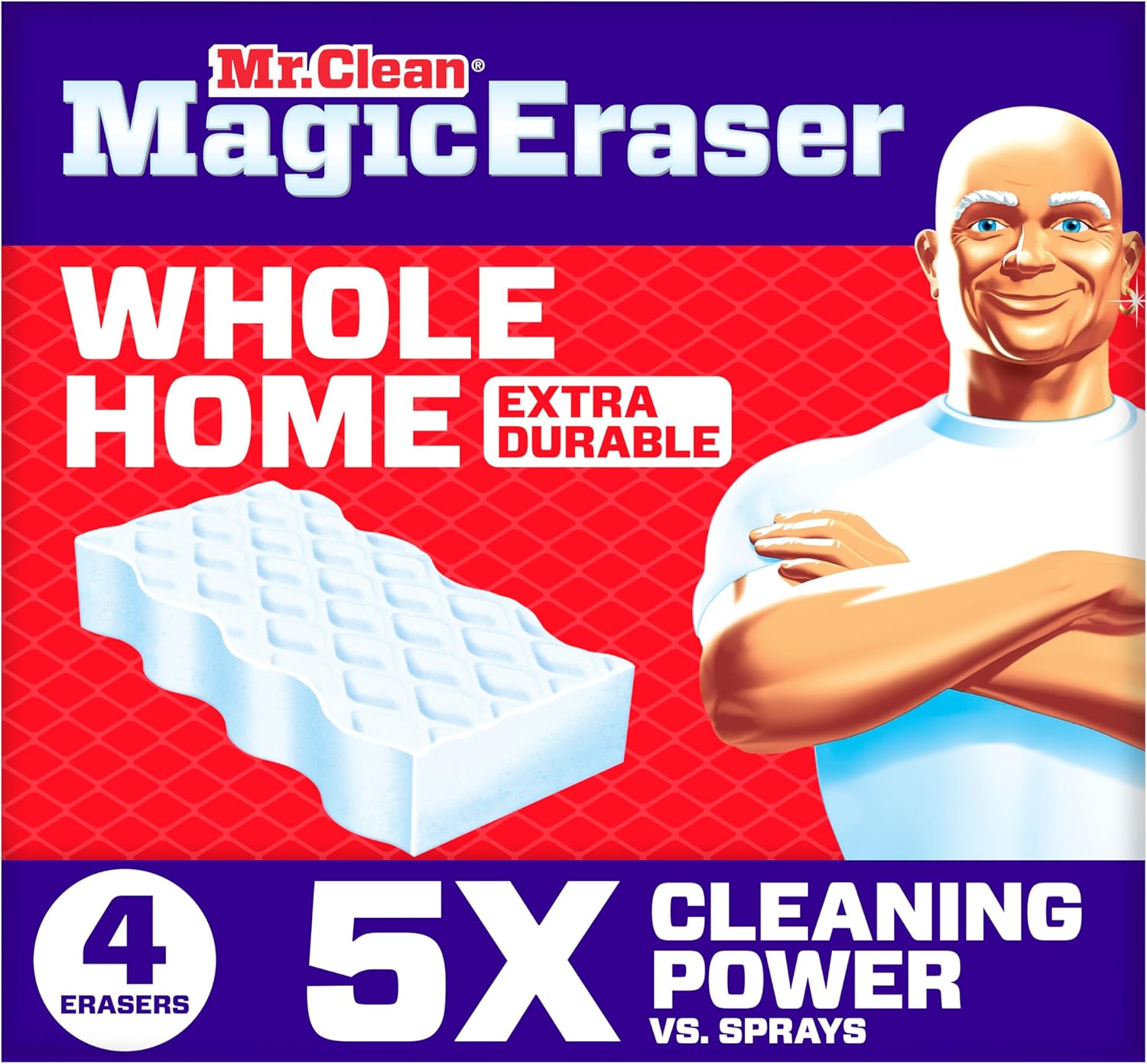
Mr. Clean Magic Eraser Sponge, 4ct
The cheapest way to keep a light-colored shell looking new: melamine lifts belt scuffs, black transfer marks, and the grey grit that builds on spinner wheels
It is a mild abrasive, so hard scrubbing dulls a glossy finish; single-use pads, and it is a cleaner, not a protectant
Prices and availability were captured from Amazon Creators API and may change.
How I judge a carry-on from the outside
Bin fit is the first test and the only one that can end your trip before it starts. Carriers publish a maximum in linear inches, which is length plus width plus height, and the sizer at the gate measures the same way, wheels and handle included. That is how a case advertised at 21 inches can measure 23 in the frame. Check your carrier's current rules before you buy, because they change, and enforcement moods change with them.
The second test is wheelbase. A spinner with a narrow stance tips when you pull it one-handed through a jet bridge, and a tipping bag is a bag you end up carrying. The third is handle wobble. Grab the telescoping handle and shake it side to side before the first flight. If it rattles on day one, it will rattle worse after a hundred gate checks.
The fourth test is the zipper, which is the first thing to die on any bag. A zipper that catches the liner when the case is empty will fail when the case is packed and someone is standing behind you. The fifth is weight, and it is the one people ignore. Every pound the shell weighs is a pound stolen from your allowance, whether that allowance is 50 pounds checked or the tighter carry-on limits some premium cabins enforce.
The Amazon Basics 21 inch: the value benchmark
This is the case I would hand to someone who wants a first real carry-on and does not want to think about it. Spinner wheels on all four corners, a scratch-resistant hardshell, a telescoping handle, and expansion the manufacturer rates at up to 25 percent more space. The orange colorway is a choice, and I mean that as a fact rather than a knock. Bright shells show belt grime and black transfer marks faster than a matte grey, and they read brighter in listing photos than they will after a year of belt contact. If you care how a case looks in year three, buy accordingly.
The trade-off is the expansion. Expansion zippers are a second zipper on the same case, and zippers are the failure point. Worse, expansion is a bin-fit trap. A 21 inch case that clears a sizer unexpanded is a 22 or 23 inch case once you unzip it, which means the bag you bought specifically to avoid a gate check is now the bag that gets gate checked. My rule: expand at the hotel, never at the airport.
The other honest criticism is the hard shell itself. No exterior pocket means your jacket, your charger, and your paperback live inside, and every time you want them you are opening the whole case in a cramped row. Softside wins that argument. Hardside wins the one about rain and crushed corners. You pick which argument matters on your trips.
The OLIXIS 20 inch: the size-discipline pick
Twenty inches is the size that gets you through the most sizers on the most carriers, and that alone makes this the safer recommendation for anyone who flies the majors regularly. The ABS hard shell keeps the empty weight down, the spinner wheels are standard four-corner hardware, and the TSA approved lock is built into the case rather than hanging off the zipper pulls where it can snag and disappear.
The light grey finish is the practical choice of the two cases here, for the same reason bright orange is not: belt scuffs and wheel grime are less obvious on a neutral shell.
Now the criticism. ABS is the entry-level shell material. It flexes more than polycarbonate, and in deep cold, on a belt that drops bags from height, it is the material most likely to crack at a corner. That is not a prediction about this specific case, it is what the material does. If you fly into Minneapolis in January with any regularity, that matters.
The built-in lock is convenient and also a single point of failure. Lose the combination or break the mechanism and you are mailing the case somewhere, because it is not a part you swap at home. And 20 inches is less volume than 21. Expand it to close the gap and you have traded away the exact advantage you paid for.
Twenty versus twenty-one inches is not a rounding error
People treat this as a spec sheet detail. It is the whole decision. One inch of height is roughly a packing cube's worth of space, which is real. But it is also the difference between clearing a sizer and not clearing one, and gate checking is where cheap bags go to get damaged. If your packing style is soft goods you can compress, take the 21 and enjoy the room. If you pack structured items, shoes, or a hard toiletry kit, the extra inch will not save you, and the 20 inch case will get you on the plane.
Luggage connector straps: gate check insurance
This is the accessory nobody buys until the first time they need it. Two adjustable straps in a pack, and the job is simple: marry your personal item to your roller so you are pulling one unit with one hand instead of juggling a backpack and a handle through a jet bridge.
Where it earns its place: the gate check. When the agent tags your roller at the door, you want your hands free and your smaller bag attached, not swinging off your shoulder while you fold a stroller and find a boarding pass. It is also the fix for traveling with a kid, because a second small bag strapped to your own case is a bag they cannot lose.
Where it does not: the buckles are the entire product, and a cheap buckle is a strap you throw away. It also does not stop an airline from tagging each bag separately, and it adds a minute of setup at the gate when the line is moving. Buy it, keep it in the lid pocket, and accept that it is insurance rather than an upgrade.
The Magic Eraser: shell maintenance nobody talks about
Here is the unglamorous truth about a light-colored hardshell. It gets dirty in ways that look like damage. Belt contact leaves black transfer marks, jet bridge walls leave grey streaks, and spinner wheels collect a grit that eventually turns into the rattle everyone complains about. A melamine sponge handles all three. This four count pack is the cheapest tool in this article and the one I would actually keep in a travel kit.
Use it dry on scuffs and damp on grime. Wipe the wheels and the handle grip, because grit in the wheel housing is what makes a good spinner sound like a shopping cart. Then the honest warning: melamine is a mild abrasive. Scrub hard on a glossy shell and you will dull the finish, and you cannot polish it back. Test on the bottom corner first. These are single-use pads, and this is a cleaner, not a protectant. It will not stop the next scuff, only the last one.
Where each one loses
The Amazon Basics case loses on expansion discipline and on pockets. If you are a "unzip it and hope" packer, this is the bag that gets gate checked on the return leg. The OLIXIS loses on material and volume. ABS is the shell you buy when weight and price matter more than cold-weather toughness, and 20 inches is the size you buy when bin fit matters more than packing room. The connector straps lose if the buckles are soft, and the sponge loses if you use it like sandpaper.
What I would buy
If you fly the majors, mostly domestic, and you want one case that clears the sizer without a conversation, take the 20 inch OLIXIS and pack like an adult. If you fly regionals and budget carriers where you are boarding from the apron anyway, or you pack soft and want the room, take the Amazon Basics 21 inch and never expand it in the terminal. Add the connector straps if you travel with a second bag or a kid. Add the sponge regardless, because whichever shell you buy, it will meet a belt.
What I'm watching next
My running prediction: the real disruption in this class is direct-to-consumer polycarbonate under $150, and the brand that fixes zipper reliability first is the one that wins frequent flyers. Softside will make a quiet comeback as carriers tighten carry-on enforcement, because a soft case squeezes into a sizer that a hard case argues with. I keep a dated list of these calls and score it every January, which is a humbling hobby.
Until then, buy the size you actually need, not the size you are tempted by. Oversized bags get checked, and checked bags get lost.